mirror of
https://github.com/pezkuwichain/pezkuwi-subxt.git
synced 2026-04-26 15:47:58 +00:00
 Andrei Eres
fd79b3b08a
Andrei Eres
fd79b3b08a
Here we add the ability to save subsystem benchmark results in JSON format to display them as graphs To draw graphs, CI team will use [github-action-benchmark](https://github.com/benchmark-action/github-action-benchmark). Since we are using custom benchmarks, we need to prepare [a specific data type](https://github.com/benchmark-action/github-action-benchmark?tab=readme-ov-file#examples): ``` [ { "name": "CPU Load", "unit": "Percent", "value": 50 } ] ``` Then we'll get graphs like this: 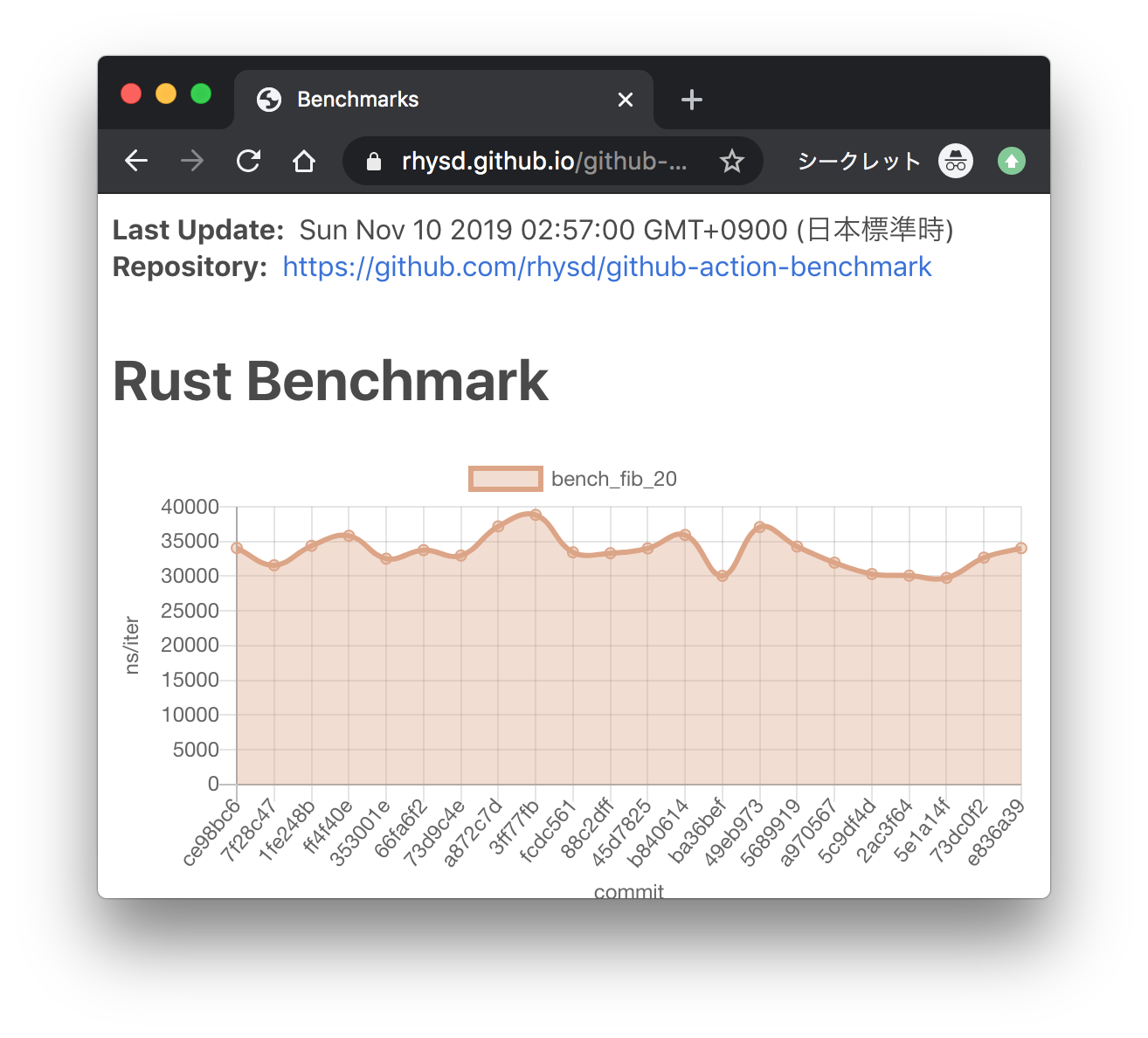 [A live page with graphs](https://benchmark-action.github.io/github-action-benchmark/dev/bench/) --------- Co-authored-by: ordian <write@reusable.software>

92 lines
2.7 KiB
Rust
92 lines
2.7 KiB
Rust
// Copyright (C) Parity Technologies (UK) Ltd.
|
|
// This file is part of Polkadot.
|
|
|
|
// Polkadot is free software: you can redistribute it and/or modify
|
|
// it under the terms of the GNU General Public License as published by
|
|
// the Free Software Foundation, either version 3 of the License, or
|
|
// (at your option) any later version.
|
|
|
|
// Polkadot is distributed in the hope that it will be useful,
|
|
// but WITHOUT ANY WARRANTY; without even the implied warranty of
|
|
// MERCHANTABILITY or FITNESS FOR A PARTICULAR PURPOSE. See the
|
|
// GNU General Public License for more details.
|
|
|
|
// You should have received a copy of the GNU General Public License
|
|
// along with Polkadot. If not, see <http://www.gnu.org/licenses/>.
|
|
|
|
//! availability-read regression tests
|
|
//!
|
|
//! Availability read benchmark based on Kusama parameters and scale.
|
|
//!
|
|
//! Subsystems involved:
|
|
//! - availability-distribution
|
|
//! - bitfield-distribution
|
|
//! - availability-store
|
|
|
|
use polkadot_subsystem_bench::{
|
|
availability::{benchmark_availability_write, prepare_test, TestState},
|
|
configuration::TestConfiguration,
|
|
usage::BenchmarkUsage,
|
|
utils::save_to_file,
|
|
};
|
|
use std::io::Write;
|
|
|
|
const BENCH_COUNT: usize = 50;
|
|
|
|
fn main() -> Result<(), String> {
|
|
let mut messages = vec![];
|
|
let mut config = TestConfiguration::default();
|
|
// A single node effort roughly
|
|
config.n_cores = 10;
|
|
config.n_validators = 500;
|
|
config.num_blocks = 3;
|
|
config.generate_pov_sizes();
|
|
let state = TestState::new(&config);
|
|
|
|
println!("Benchmarking...");
|
|
let usages: Vec<BenchmarkUsage> = (0..BENCH_COUNT)
|
|
.map(|n| {
|
|
print!("\r[{}{}]", "#".repeat(n), "_".repeat(BENCH_COUNT - n));
|
|
std::io::stdout().flush().unwrap();
|
|
let (mut env, _cfgs) = prepare_test(
|
|
&state,
|
|
polkadot_subsystem_bench::availability::TestDataAvailability::Write,
|
|
false,
|
|
);
|
|
env.runtime().block_on(benchmark_availability_write(
|
|
"data_availability_write",
|
|
&mut env,
|
|
&state,
|
|
))
|
|
})
|
|
.collect();
|
|
println!("\rDone!{}", " ".repeat(BENCH_COUNT));
|
|
|
|
let average_usage = BenchmarkUsage::average(&usages);
|
|
save_to_file(
|
|
"charts/availability-distribution-regression-bench.json",
|
|
average_usage.to_chart_json().map_err(|e| e.to_string())?,
|
|
)
|
|
.map_err(|e| e.to_string())?;
|
|
println!("{}", average_usage);
|
|
|
|
// We expect no variance for received and sent
|
|
// but use 0.001 because we operate with floats
|
|
messages.extend(average_usage.check_network_usage(&[
|
|
("Received from peers", 433.3, 0.001),
|
|
("Sent to peers", 18480.0, 0.001),
|
|
]));
|
|
messages.extend(average_usage.check_cpu_usage(&[
|
|
("availability-distribution", 0.012, 0.05),
|
|
("availability-store", 0.153, 0.05),
|
|
("bitfield-distribution", 0.026, 0.05),
|
|
]));
|
|
|
|
if messages.is_empty() {
|
|
Ok(())
|
|
} else {
|
|
eprintln!("{}", messages.join("\n"));
|
|
Err("Regressions found".to_string())
|
|
}
|
|
}
|